

Social Grace
Everyday Skills for Living Well with Others.
How we treat people matters.

🤝 Respect people.
🧭 Read the room.
🌱 Leave things better.
The Problem:
MICRO-BULLYING

The little things that make people feel small.
Micro-bullying isn't always obvious. It can be a joke that goes too far, an unwanted touch, an embarrassing comment, constant interruption, exclusion, invading someone's space, or simply refusing to notice when someone is uncomfortable.
Individually, these moments can seem minor. Repeated often enough, they can make people feel unwelcome, unsafe, or like they don't belong.
Social Grace exists to teach our kids to notice these moments—and know what to do before they become something bigger.
WHAT IS SOCIAL GRACE?
Kindness you practice.
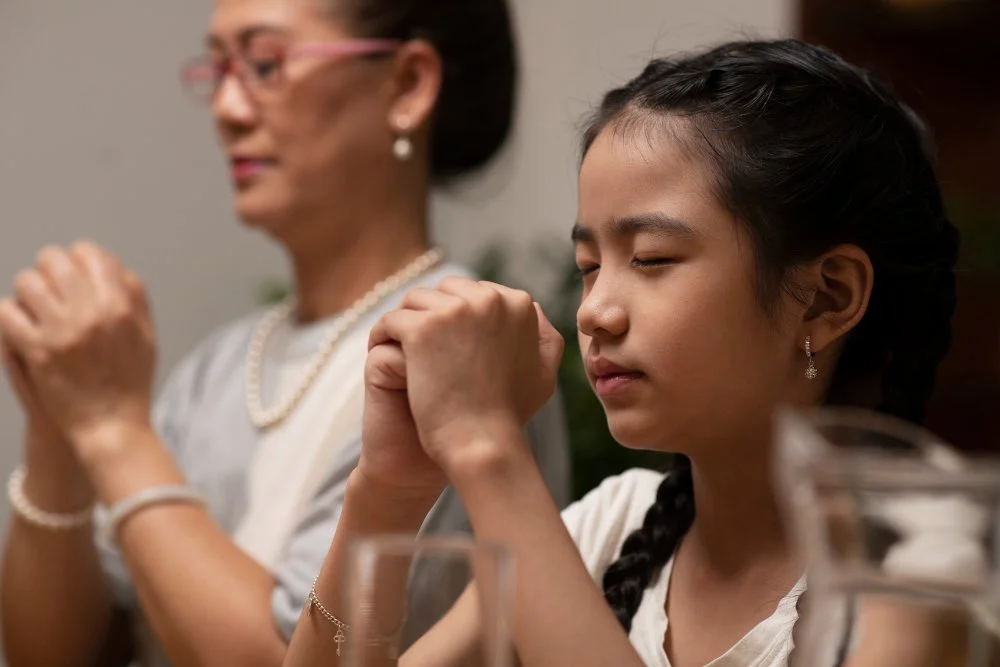
Social Grace teaches the everyday skills people need to live well with others. It turns the idea of kindness into something we can actually practice: respecting boundaries, reading the room, communicating well, and taking responsibility for how we affect the people around us.

You don't have to think alike, act alike, or become the same to belong together. But living alongside others means learning how to share space, handle differences, recognize discomfort, and know when to stop.
We believe good communities don't happen by accident. They are built by people who know how to treat each other well.
🔥 Explore the Sunnyside Philosophy → coming soon
THE SOCIAL GRACE FRAMEWORK
One journey. Four stages. 100+ Lessons.
Social Grace grows with the person.
The same core social principles can be taught at different levels of depth, language, complexity, and independence as people grow.

-
→ Learning to notice others and share space.
2 Chapters
16 Episodes
-
→ Learning boundaries, friendships, communication, and responsibility.
3 Chapters
30 Episodes
-
→ Learning independence, relationships, community, digital life, and confidence.
4 Chapters
43 Episodes
-
→ Learning professional, social, and civic skills for the wider world.
3 Chapters
30 Episodes
Chapter 1: The Foundations
-
![]()
01 — 🏠 KNOW YOUR SPACE
Personal Space & Boundaries
-
![]()
02 — 🎁 LIVE WELL WITH OTHERS
Living Well With Others
-
![]()
03 — 🧼 SELF-CARE
Personal Care & Hygiene
-
![]()
04 —📚 READ THE ROOM
Everyday Courtesy
-
![]()
05 — 💬 PASS THE BALL
Conversation Etiquette
-
![A watercolor painting of a birthday cake with pink icing and colorful meringue decorations on top which is for Sunnyside Homeschool Community Social Grace Signature Program for kids and teens]()
06 — 🍽️ COME TO THE TABLE
Dining Etiquette
-
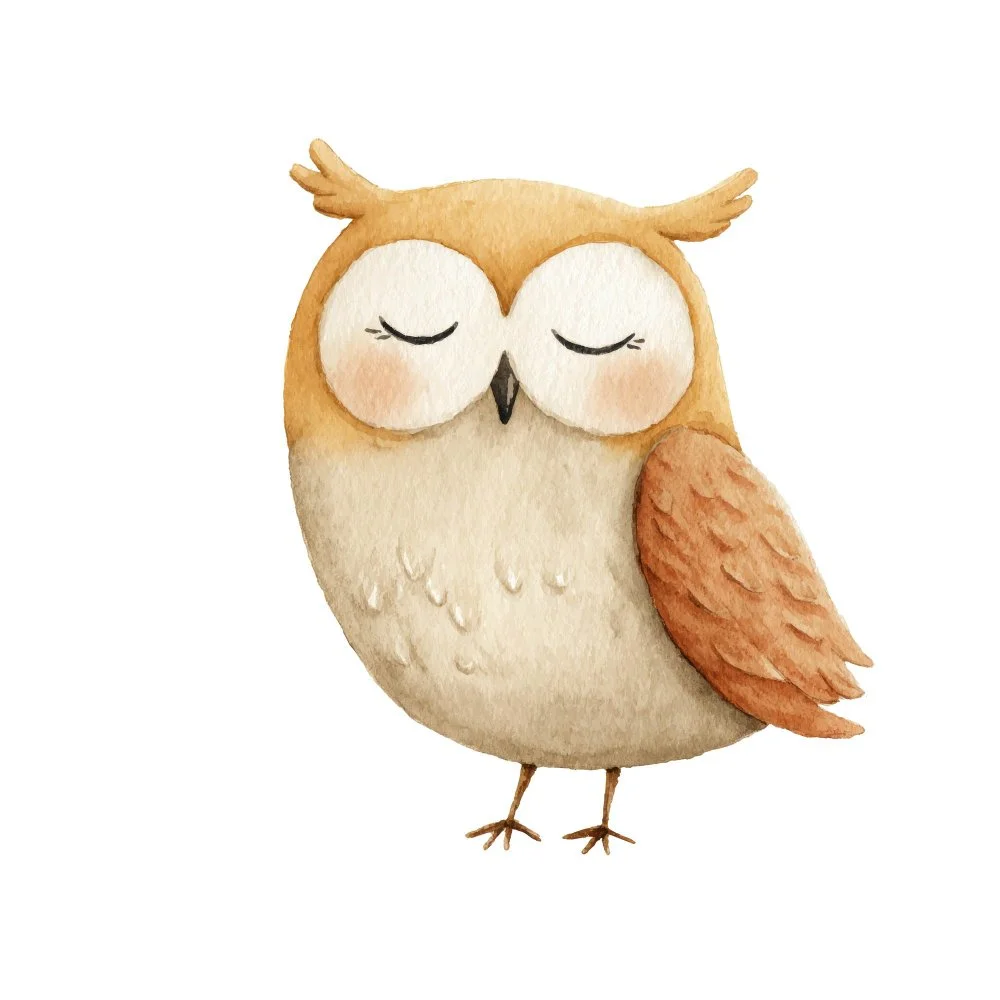
![A cute illustrated owl with closed eyes, small wings, and feathery texture on the body, set against a white background which is for Sunnyside Homeschool Community Social Grace Signature Program for kids and teens]()
07 — 🦉 THINK BEFORE YOU CLICK
Digital Etiquette
-
![A cartoon illustration of a dog with one eye closed, its tongue hanging out, and a brown patch over one eye which is for Sunnyside Homeschool Community Social Grace Signature Program for kids and teens]()
08 — 🤝 BE A GOOD FRIEND
Community Etiquette
-
![Watercolor illustration of three balloons in pink star, yellow crescent moon, and blue heart shapes tied together with white string which is for Sunnyside Homeschool Community Social Grace Signature Program for kids and teens.]()
09 — 🎈KEEP THE VIBE ALIVE
Limits of Having Fun
-
![Colorful cartoon clown with orange curly hair, red nose, and wide smile, wearing a blue cone hat with pink polka dots, a yellow shirt which is for Sunnyside Homeschool Community Social Grace Signature Program for kids and teens.]()
10 — 🤡 KNOW WHEN TO STOP
Jokes & Limits on Humor
-
![A wooden heart-shaped lock with a decorative floral design on the front and a wooden ornate key with a floral pattern which is for Sunnyside Homeschool Community Social Grace Signature Program for kids and teens.]()
11 — 🔐 KEEP IT PRIVATE
Privacy & Oversharing
-
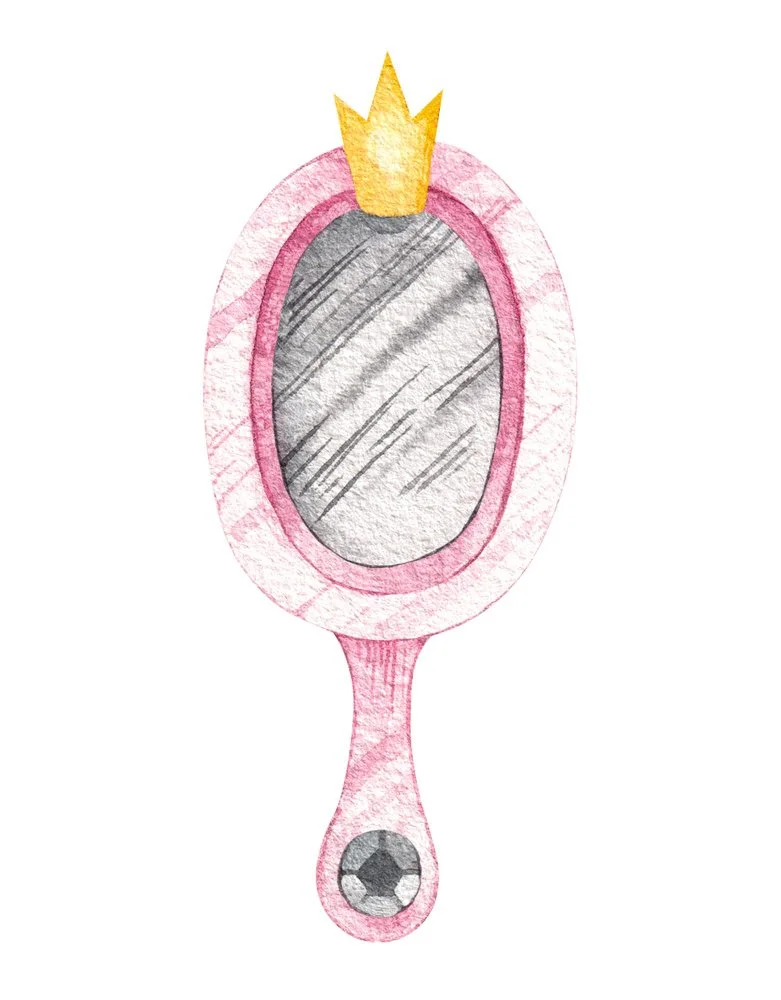
![Watercolor illustration of a pink hand mirror with a soccer ball design on the handle and a yellow crown on top of the frame which is for Sunnyside Homeschool Community Social Grace Signature Program for kids and teens]()
12 — 🪄 🪞 KEEP IT REAL
Flattery & Sucking Up
-
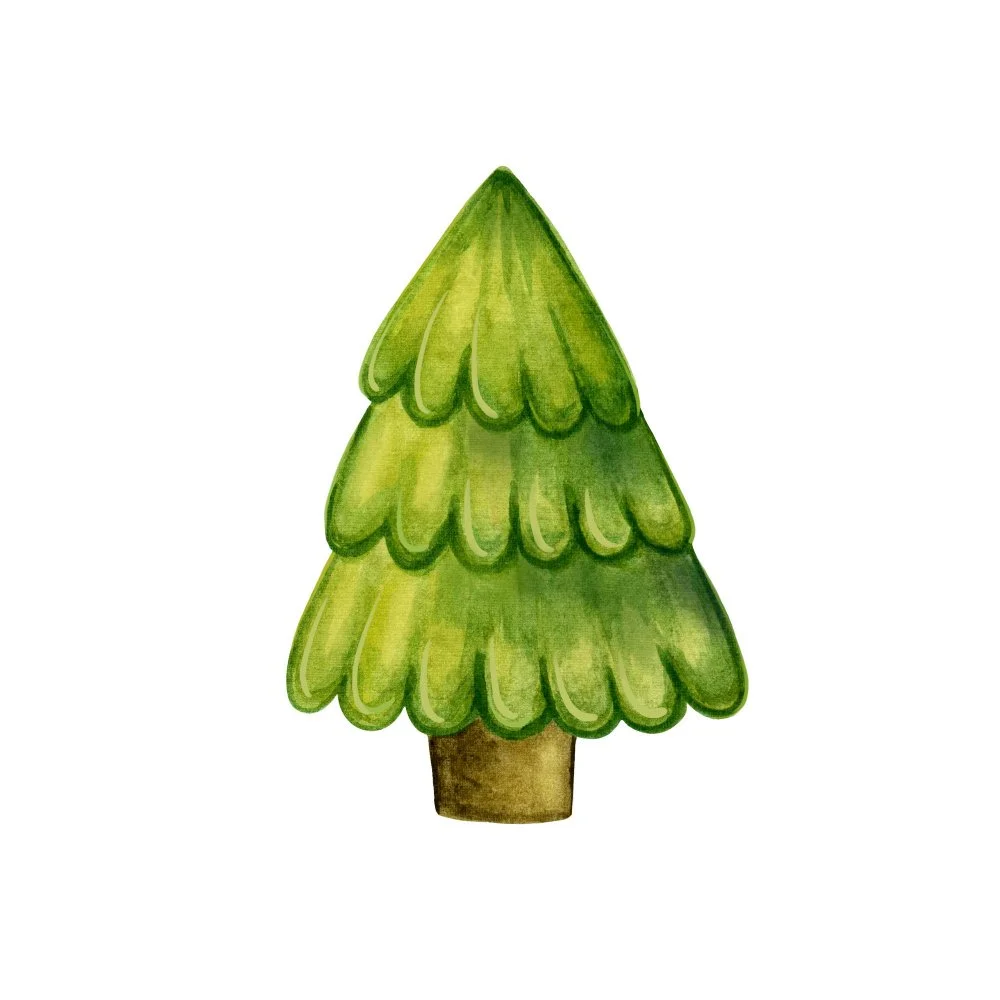
![Watercolor illustration of a pine tree with green foliage and a small brown trunk which is for Sunnyside Homeschool Community Social Grace Signature Program for kids and teens]()
13 — 🌳 LET YOUR ACTIONS SPEAK
Confidence










How Social Grace Works
Social Grace teaches the everyday habits that help people feel respected, comfortable, and welcome
Learn → Practice → Reflect → Grow
01. 🎓 Learn
Join live sessions built around stories, situations, and discussion.
02. 🛼 Practice
Use Social Grace in meetups, online spaces, and everyday life.
03. 💧 Reflect
Grace Checks, assessments, and feedback along the way.
04. 🌳 Grow
Build and live stronger habits over time.
The Grace Check™
Social Grace is practiced in real life. So we look beyond attendance.

-
How you affect the people around you.
Peer or structured feedback from fellow members after shared experiences. -
What trained adults observe.
Behavior, growth, participation, boundaries, and how the member responds to feedback. -
What growth looks like beyond Sunnyside.
Parent observations on progress, habits, and areas that may need support. -
What happens in real situations.
Feedback and observations from meetups, programs, trips, events, and shared spaces. -
What you see in yourself.
Reflection, self-awareness, and the ability to recognize strengths, mistakes, and areas for growth.
WHY IT MATTERS
Big Things Are Made of Small Things
The way we treat people can make the world around us a little kinder. Social Grace helps us notice those small moments and choose better.
Because big changes start with small choices, and a kinder world starts with kindness.

Social Grace FAQs
-
Social Grace is designed to grow with people. The library is organized into four stages: Kids, Tweens, Teens, and Young Adults, with age-appropriate versions of the same foundational skills.
-
Social Grace is a growing, multi-chapter library. The current rollout features Chapter 1 for Teens, with 13 episodes, while additional chapters and age groups are developed.
-
No. Manners are only part of it. Social Grace covers boundaries, communication, hygiene, privacy, digital behavior, friendship, community, confidence, and everyday responsibility toward others.
-
The Grace Check looks at Social Grace from multiple perspectives, including self-reflection, peers, mentors, parents, and real-world experiences. It is designed to identify growth and areas for support—not simply assign a number to a person.
Have more questions? Click Here
Where Respect Becomes
Second Nature.

✔️ Good manners | ✔️ Kind behavior | ✔️ Social confidence
Free to join. Upgrade for full access.Explore More 🔭👩🏻🚀
-

Circle
The calmer way to connect online.
-

Calendar
Make memories all-year round.
-
TinyVill
Party in your pocket.
-

Programs
Level up in real life.